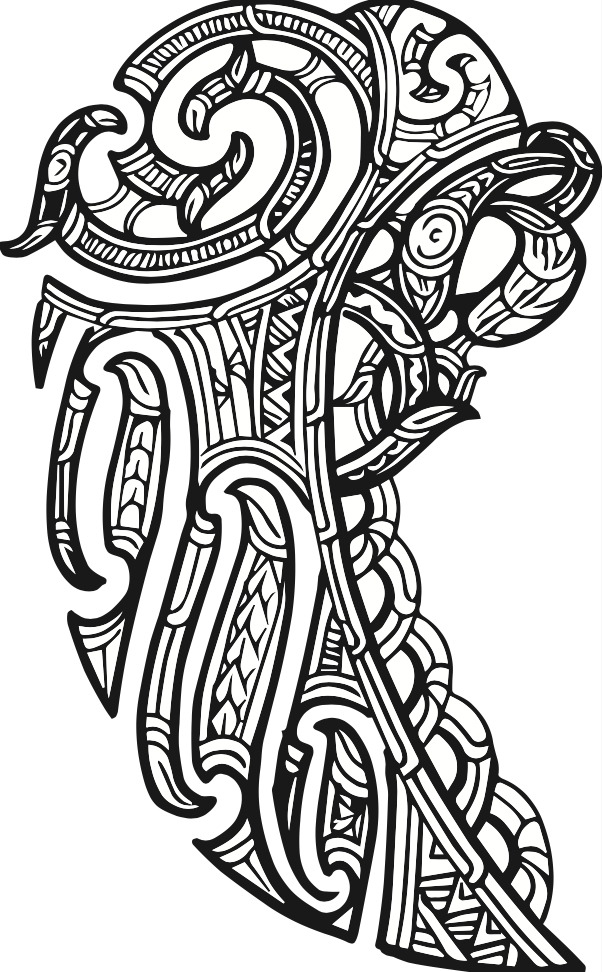
Pōtaka – Spinning Tops
Pōtaka Tā – Whipping Tops
Traditionally, Pōtaka were a popular activity for Māori of all ages and abilities. Many different shapes, sizes and varieties of Pōtaka were made from different materials such as wood and stone.
Pōtaka Tā are spinning tops. The tā/whip, usually made of harakeke (flax) and sometimes connected to wood, would be used to whip the pōtaka and could keep it spinning for great lengths.

Pōtaka were used for fun and competitive play. Māori had obstacle courses where they would maneuver their pōtaka around corners, up and down hills, sometimes at speed, they could even make them peke/jump.
Māori displayed remarkable skill in the design, construction and control of their Pōtaka.
People from across the world have been doing it for thousands of years, the oldest tops found are made of clay and date back to 3000BC.
Pōtaka – spinning tops – were commonly crafted from robust woods like mataī. These tops, often beautifully adorned with shell inlays, were pointed at both ends and spun with the flick of a whip. Maori exhibited remarkable skill, using the whip not only to initiate the spin but also to halt the top and then reverse its rotation.
Pōtaka tā – whip tops- were whipped with a kare or tā, made from strips of harakeke (flax) and sometimes attached to a wooden handle. These were raced around obstacle courses and sometimes jumped over waterways, obstacles and even people! We did not believe this until a Pōtaka wizzed past our heads and almost smashed a window on the other side of the gym!!!
Pōtaka tākiri – humming tops – had a piece projecting at the top around which string was wound. They made a screaming, wailing sound when spun. Contests were held to see who’s pōtaka tākiri hummed the loudest and spun the longest.
Pōtaka tākiri were believed to serve two distinct purposes. During tangi or funerals, numerous pōtaka tākiri were set in motion, creating a symphony that echoed the collective grief of mourners, resembling the sound of many weeping for the departed soul. Additionally, Maori warriors utilized these instruments as a psychological tactic before entering battle. Prior to launching an attack, the warriors set their pōtaka tākiri into a whirlwind, the cacophony of which struck terror into the hearts of their adversaries, serving as a stark warning: “Peril awaits you!”
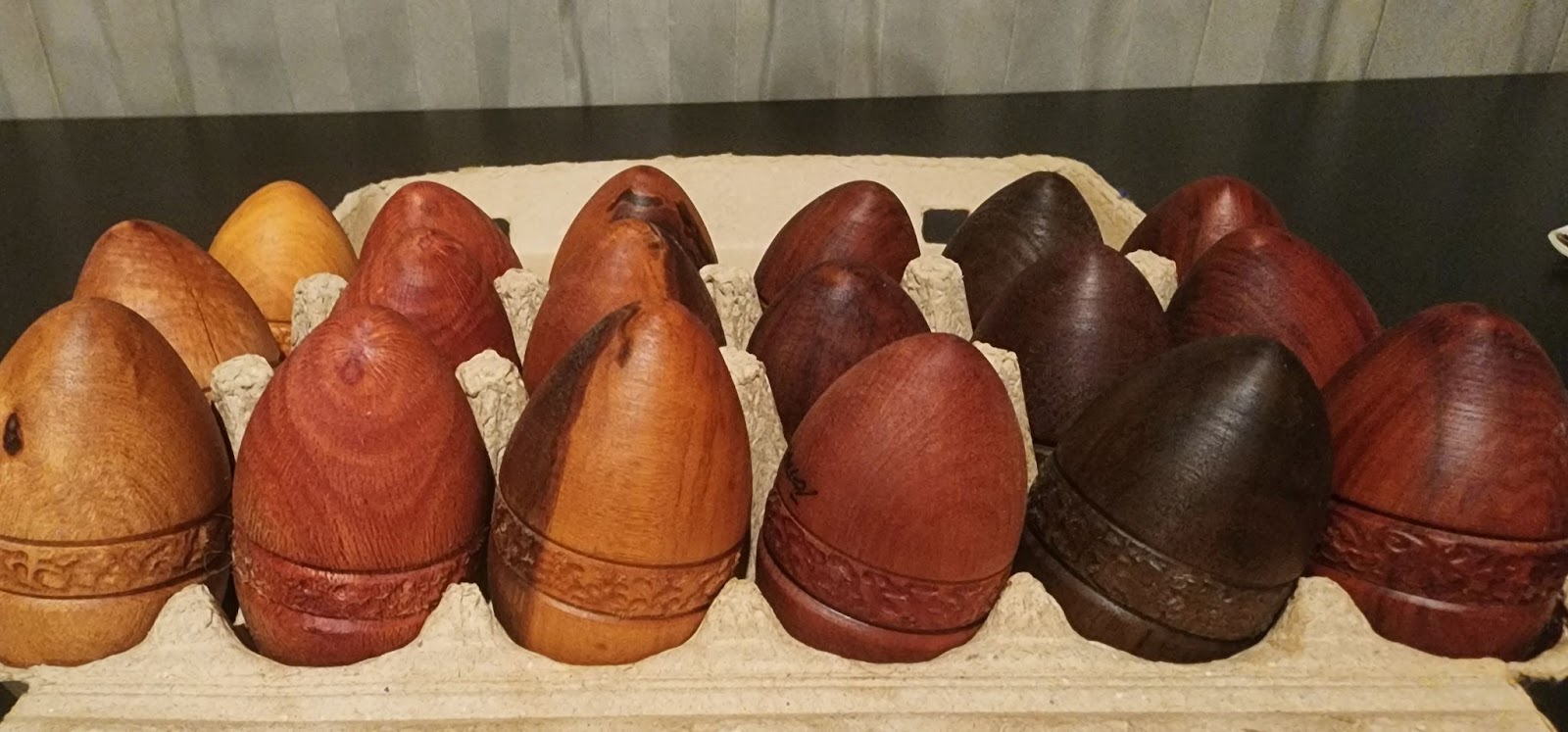
A variety of our handmade native wood Pōtaka avaiable for purchase, get in quick as they are going fast.
Today Pōtaka are growing in popularity as more people are exposed and captivated. The bonus with Pōtaka is that it’s an activity for people of all ages and abilities.
We recommend:
- Trying different ways to get your Pōtaka spinning
- See how long you can keep your Pōtaka spinning
- Without the tā/whip and then
- With a tā/whip
- Aim for a circle/area with your Pōtaka
- Move your Pōtaka one side of the area to the next,
- perhaps around an obstacle course
- Trying different types of Pōtaka
- Look at the river or beach next time for any toka/rock you think has potential and see if you can get it to spin!
- Next time you are around pine trees, see if you can get a pinecone spinning! (Hint, use closed pinecones, the more symmetrical the more potential for spinning!).
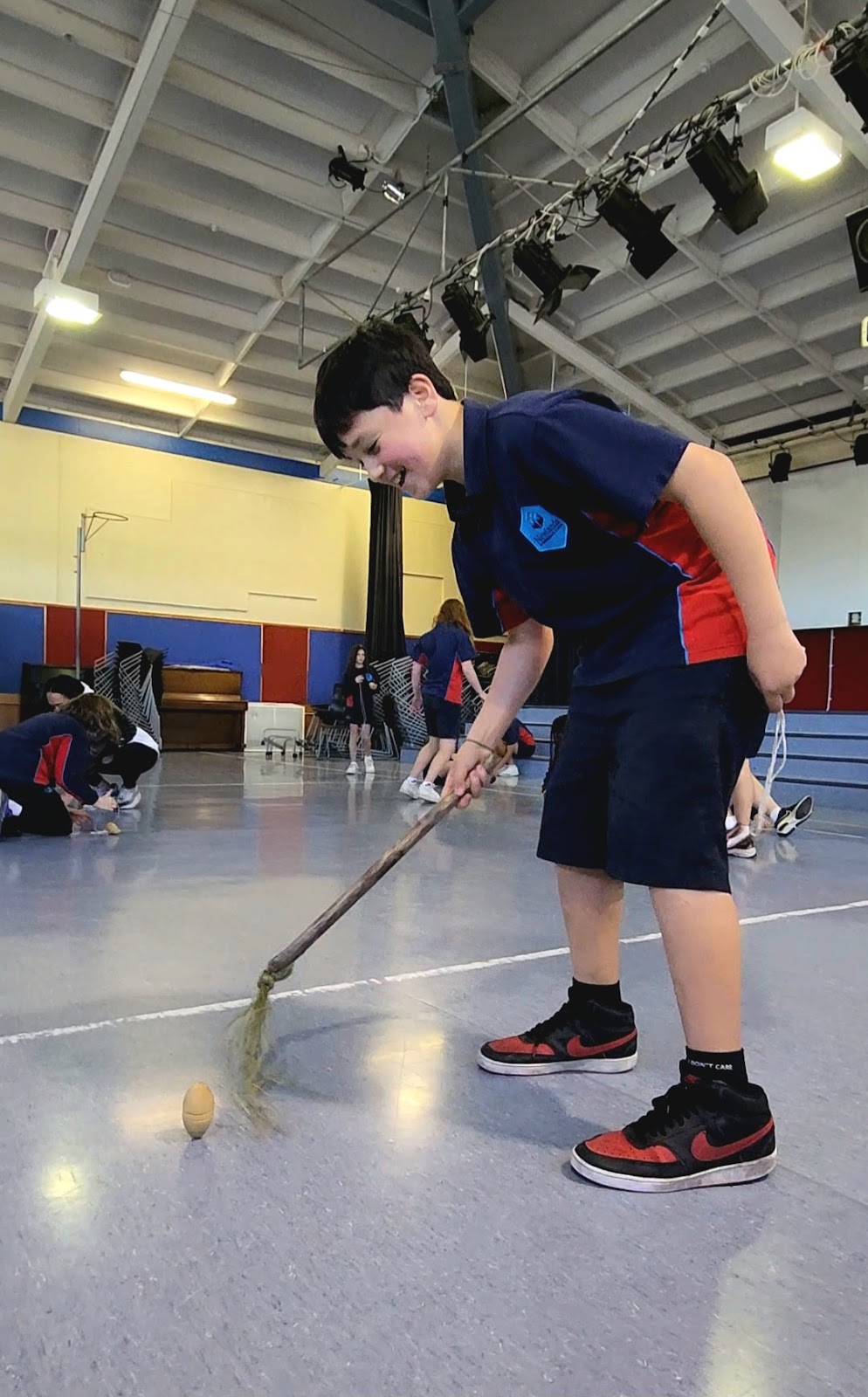
Rangatahi having fun whipping his Pōtaka with a tā/whip
How do you like to play Pōtaka?
Can you make it peke/jump?
Challenge your friends and whānau!
We’d love to see you and your whānau with your Pōtaka, or displaying your Pōtaka skills! Send us a photo or video and go into the draw to win one of our beautiful native hand-made Pōtaka!!!

To find out more go to Tū Mātau Ora – Home | Facebook and scan our QR code
 Tū Mātau Ora