- The legend of Rahitutakahina and the origin of Ki o Rahi
Once upon a time Rahitutakahina (Rahi) and his wife, Tiara-kura-pakewai (Tiara), lived peacefully together with their hapū. However, their tranquil existence was shattered one day when Tiara was abducted by an enemy Iwi of Patupaiarehe.
Te Puhuru, the enemy tohunga (spiritual leader), used his powers to create an impenetrable forest, preventing Rahi from pursuing Tiara and her captors.
Determined to rescue his beloved, Rahi enlisted the help of his whānau (family) and together, they constructed a gigantic kite known as a manu-tangata.
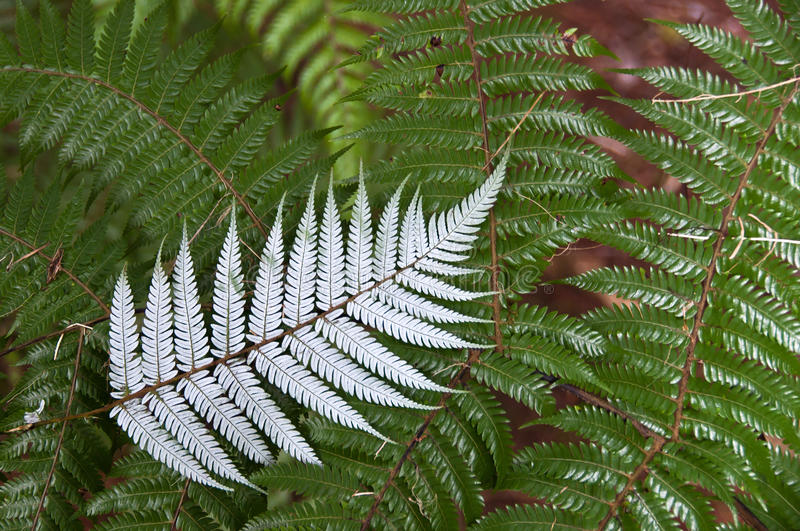
Through a powerful karakia (incantation) to Tāwhirimātea, the god of wind, Rahi was lifted into the air and rushed towards Tiara’s location. As he soared above the land, Rahi noticed a trail of folded silver ferns left by Tiara, guiding him towards her.
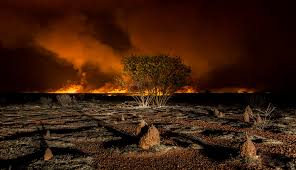
However, Te Puhuru, sensing Rahi’s approach, summoned the sun’s sister, Hinenui-te-rā, to hinder him. The intense heat from the two suns caused Rahi’s kite to catch fire, forcing him to crash land. The forest around him withered in the scorching blaze.
As Rahi fell, the moa egg he carried fell into the nest of Namu, a giant Hokioi bird (Haast Eagle). These eggs provided much-needed sustenance for the hungry chicks.
Dehydrated and disoriented, Rahi sought shelter behind his tupuna/ancestor, a giant rock. Just as he felt hope dwindling, Namu the giant Hokioi bird arrived and repaid Rahi by trickling water from its beak and shading him from the deadly sun with its wings, helping reinvigorate Rahi
.
Te Puhuru, seeing Rahi’s resilience, called upon another karakia to conjure a massive ngārara/lizard, to attack him. However, the combined mauri (life force) of Rahi, his ancestor the rock, and Namu proved too powerful for the ngārara to overcome directly.
Though unable to harm Rahi directly, the ngārara circled incessantly, smashing its tail into the ground causing rocks to hurtle towards him. This relentless attack created a deep canyon, eventually hitting a spring and forming a lake called Te Roto. The ngārara transformed into a formidable four-headed taniwha named Utumai that continued to torment Rahi, now trapped on Te Motu/the Island.
Adding to his woes, Te Puhuru chanted another karakia, extinguishing both suns from the sky. Rahi, battered and freezing in the taniwha-infested waters, felt all hope fading away.

Yet, as Rahi raised his head, he saw the seven stars of Matariki. Recognizing this as a sign from his father Eru, an ice path materialized, leading Rahi to safety. Carrying Namu, Rahi braved the path known as Te Ara, which the taniwha Utumai couldn’t cross or touch.
No matter what, the taniwha was not able to cross the path and it could not even touch it! In a last ditch attempt to stop Rahi, Utumai projected his razor sharp teeth flying towards the fleeing group, but was unsuccessful.
Reunited with his whānau, Rahi learned Tiara’s location and together, they pursued Te Puhuru and the Patupaiarehe iwi in their mountainous volcanic homeland. Rahi strategically blocked most of the exits, leaving only one passage open. He called out to Te Puhuru, offering safe passage if Tiara was released unharmed.
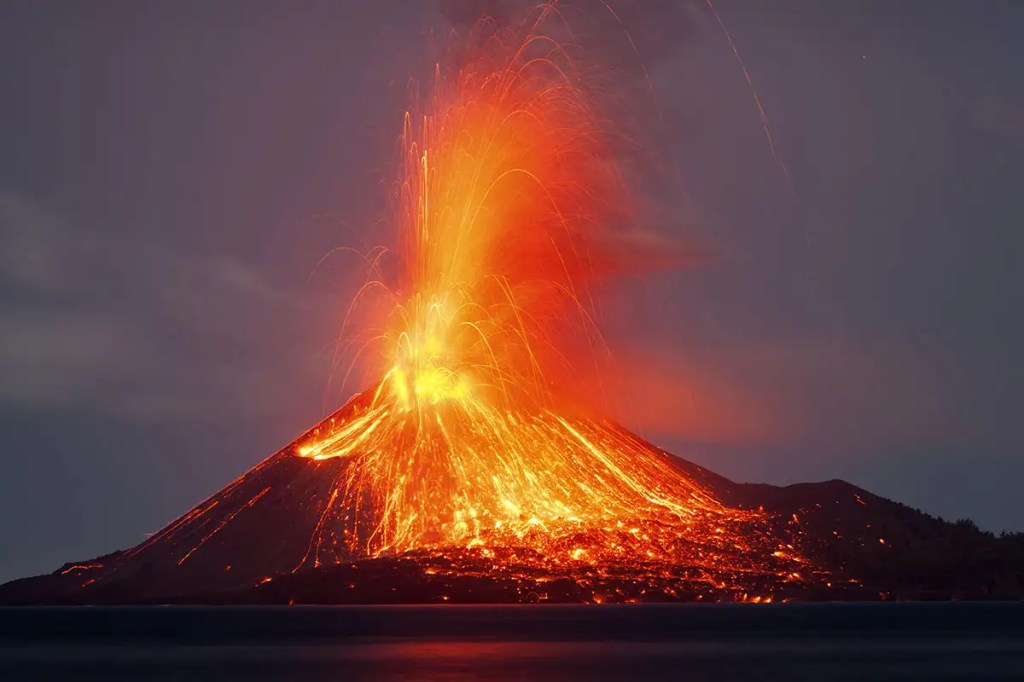
Realising defeat, the Patupaiarehe surrendered Tiara and fled before the impending volcanic eruption. Yet, Te Puhuru, refusing to accept defeat, was blasted into space by the explosion, where he continues to cause mischief.
Exhausted, Rahi and his whānau collapsed on the banks of the lake created by Utumai, reflecting on their victory. Rahi transformed his weapon, the poi toa, into a symbol of peace and gave it to Whanawhana, the chief of the Patupaiarehe. This act represented Rahi’s desire for harmony and a peaceful resolution to future conflicts.
This act symbolised that Rahi no longer wanted to train for war and sought peace and harmony between them. They talked and negotiated ways of resolving future disputes peacefully and the game of Ki o Rahi was invented.
The pūrākau (traditional story) of Rahi highlights cultural values such as kaitiaki (guardianship), manaaki (hospitality and kindness), kotahitanga (unity), and aroha (love), all of which are integral to the game Ki o Rahi. The pūrākau also explains the significance of various elements in the gameplay, such as the shape of the field and the scoring system.
The pūrākau explains why the field is shaped the way it is.
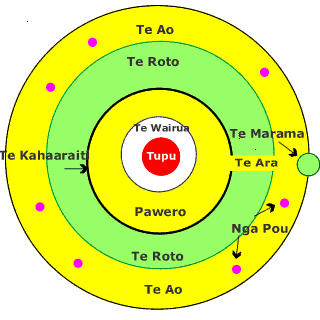
The persistent circling of the giant Ngarara created Te Roto. Taniwha scoring represents the rocks being flicked and the teeth acting as projectile weapons.
Rahi was stranded in Pawero.
Te Ara is the magical path used to escape.
The Tupu is Rahi’s Tupuna, the rock that provided shade.
The pūrākau highlights some of the values such as kaitiaki, manaaki, kotahitanga and aroha imbued within the kēmu (game) and its overarching kaupapa of unity through peaceful dispute resolution.
Nonoke is the tackle version of Ki o Rahi. Check it out here: https://www.youtube.com/watch?v=C5lhzyzdhJE&t=60s
While this is one version of the Rahitutakahina pūrākau, it is just a glimpse into the rich mythology and storytelling traditions of Māori.
Encouragement is given to explore further versions and discover more about this captivating tale.
 Tū Mātau Ora